




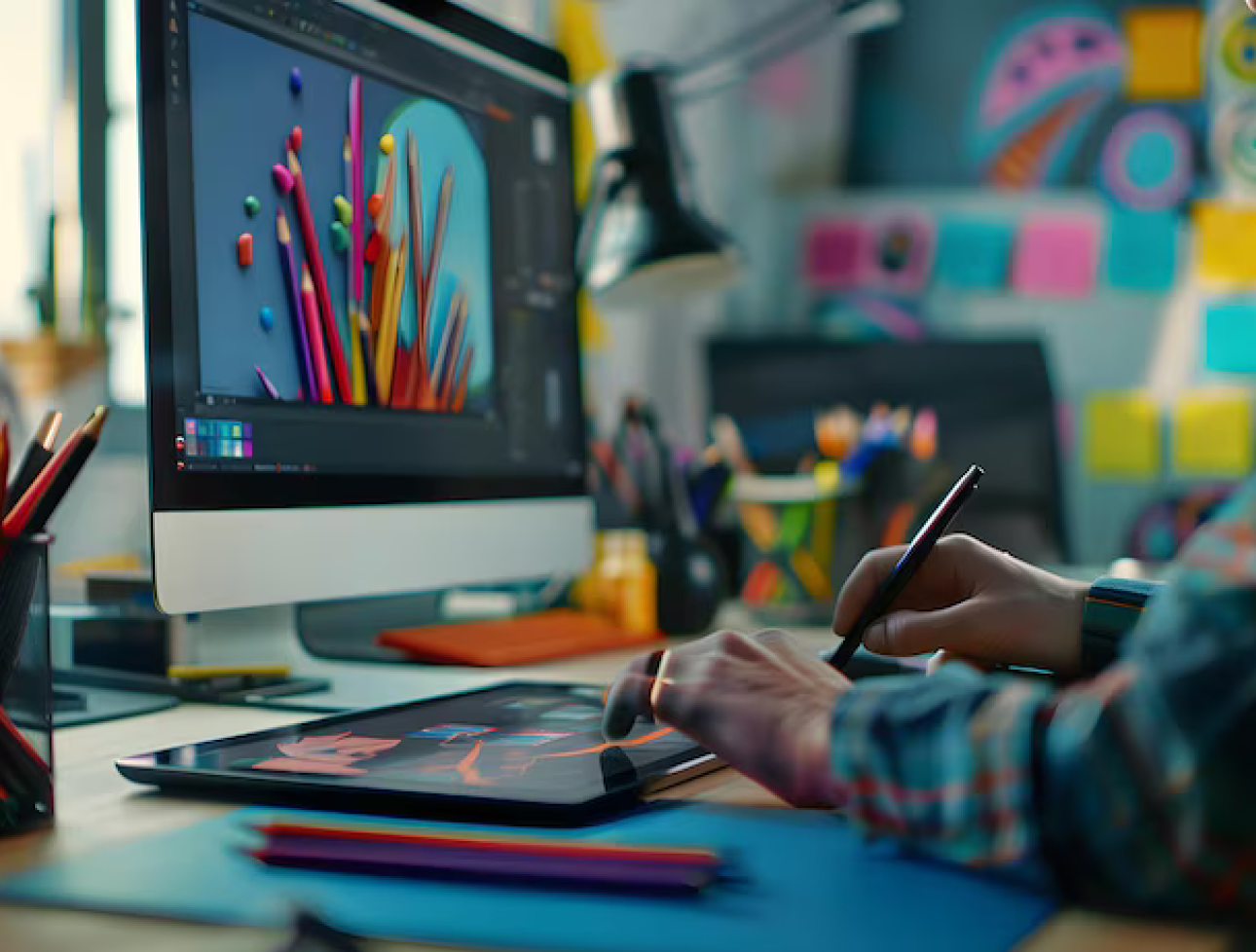
Video editing is more than just cutting and assembling footage; it’s an art form that shapes the story and message of a video project. From films and documentaries to YouTube videos and commercials, video editing plays a crucial role in determining how a story unfolds, how emotions are conveyed, and how audiences engage with content. This article delves into the essential aspects of video editing, exploring its importance, techniques, and the tools that have revolutionized the craft.
In the world of video production, editing is where the magic happens. It’s the stage where raw footage is transformed into a coherent, polished, and engaging piece of content. Without effective editing, even the best-shot footage can fail to resonate with its intended audience.
Storytelling: Editing determines how the narrative is structured, what information is revealed and when, and how the audience is guided through the story. Good editing can turn a simple sequence of events into a compelling narrative with emotional depth
Pacing: The rhythm and tempo of a video are controlled in the editing room. The timing of cuts, transitions, and the interplay between visuals and audio contribute to the overall feel of the video, whether it’s fast-paced and energetic or slow and contemplative.
Continuity and Flow: Editing ensures that the video flows smoothly from one scene to the next, maintaining continuity in both visual and narrative elements. This is essential for keeping the audience immersed and avoiding jarring jumps or inconsistencies.
Emotion and Impact: Through the careful selection of shots, music, sound effects, and transitions, editors can amplify the emotional impact of a scene, creating moments that resonate with the audience on a deeper level.
While video editing is a highly creative process, it relies on a set of fundamental techniques that help editors craft their vision. Understanding these techniques is key to mastering the art of video editing.
Cutting: The basic act of splicing together different pieces of footage. The timing and precision of cuts can influence the pacing and tone of the video. For example, quick cuts can create tension or excitement, while longer takes can build suspense or emphasize a moment.
Transitions: Transitions are used to move from one scene to another. While the most common transition is the cut, others include fades, dissolves, wipes, and more. Each transition style can convey different moods or passage of time.
Montage: A montage is a sequence of shots edited together to condense time or convey a lot of information quickly. This technique is often used in training sequences in films or to show a progression of events.
Jump Cuts: A jump cut is a deliberate edit that creates a sudden shift in the scene. This can be used creatively to disorient the viewer, emphasize a moment, or speed up time within a single scene.
Match Cuts: Match cuts create a visual or thematic link between two shots, guiding the viewer smoothly from one scene to another by matching elements like shapes, movements, or colors.
J-Cuts and L-Cuts: These are techniques where the audio of the next scene starts before the video (J-cut) or continues after the video has changed (L-cut). This helps create a smoother audio-visual flow and enhances narrative transitions.
Video editing has evolved significantly over the years, thanks in large part to advancements in technology. Today, a wide range of software tools are available that cater to different levels of expertise, from beginners to professionals.
Adobe Premiere Pro: One of the industry standards for professional video editing, Premiere Pro offers a comprehensive set of tools for editing, color correction, audio mixing, and effects.
Final Cut Pro: Favored by many filmmakers and video professionals, Final Cut Pro is known for its powerful editing capabilities and user-friendly interface, particularly on Mac systems.
DaVinci Resolve: Originally renowned for its color grading features, DaVinci Resolve has evolved into a full-fledged editing platform with advanced features for both editing and post-production.
iMovie: For beginners or those working on simpler projects, iMovie offers a straightforward interface with basic editing tools, making it ideal for quick edits and learning the basics.
HitFilm Express: A free video editing software that combines editing, visual effects, and compositing, making it a popular choice for creators on a budget.
The video editing process typically involves several stages, each requiring a different set of skills and attention to detail. Understanding these stages can help editors manage their workflow more effectively.
Rough Cut: The initial assembly of clips in the sequence, focusing on establishing the narrative structure without worrying too much about details. This stage is about getting the big picture and making sure the story flows.
Fine Cut: The rough cut is refined, with more attention to pacing, transitions, and scene dynamics. Editors start to focus on the rhythm of the piece and how it engages the viewer.
Picture Lock: At this stage, the visual aspects of the edit are finalized. No further changes are made to the arrangement of shots or scenes. The focus shifts to sound design, color correction, and final touches.
Color Grading: Color grading involves adjusting the colors in the video to achieve a certain mood or aesthetic. It can be used to correct lighting issues, create a consistent look across scenes, or enhance the overall visual appeal.
Sound Design: Audio is often what sets a professional edit apart. This stage involves mixing dialogue, sound effects, and music to create a balanced and immersive soundscape that complements the visuals.
Video editing is a challenging but rewarding profession. It requires not only technical proficiency but also a deep understanding of storytelling, pacing, and emotion. Editors often work under tight deadlines, balancing creative vision with practical constraints.
Time Management: Editing can be a time-consuming process, especially when working on complex projects with multiple revisions. Effective time management is crucial to meeting deadlines without compromising quality.
Creative Blocks: Like any creative profession, video editing can sometimes lead to creative blocks. Editors must find ways to stay inspired and bring fresh ideas to each project.
Collaboration: Video editing often involves working closely with directors, producers, and other creatives. Effective communication and collaboration are essential for aligning the editor’s work with the overall vision of the project.
Content Creation Boom: The rise of platforms like YouTube, TikTok, and online streaming services has created a massive demand for video content. This has opened up numerous opportunities for freelance editors, content creators, and professionals in the media industry.
Remote Work: The advancement of cloud-based editing tools has made it easier for editors to work remotely, collaborating with teams and clients from anywhere in the world.
Expanding Skill Sets: The integration of AI and machine learning in editing software is providing editors with new tools to enhance their workflows and explore creative possibilities. Staying updated with these technologies can open up new avenues in video production.
Video editing is a vital part of the storytelling process, requiring a blend of technical skill, creative intuition, and a deep understanding of narrative structure. As the field continues to evolve with advancements in technology, the role of the video editor is becoming more dynamic and central to content creation. Whether you’re a budding editor or a seasoned professional, mastering the craft of video editing offers endless opportunities to shape visual stories that captivate, inform, and inspire.
This article provides a fresh perspective on video editing, emphasizing its role in storytelling, the techniques used in the craft, and the tools that have transformed the industry.