




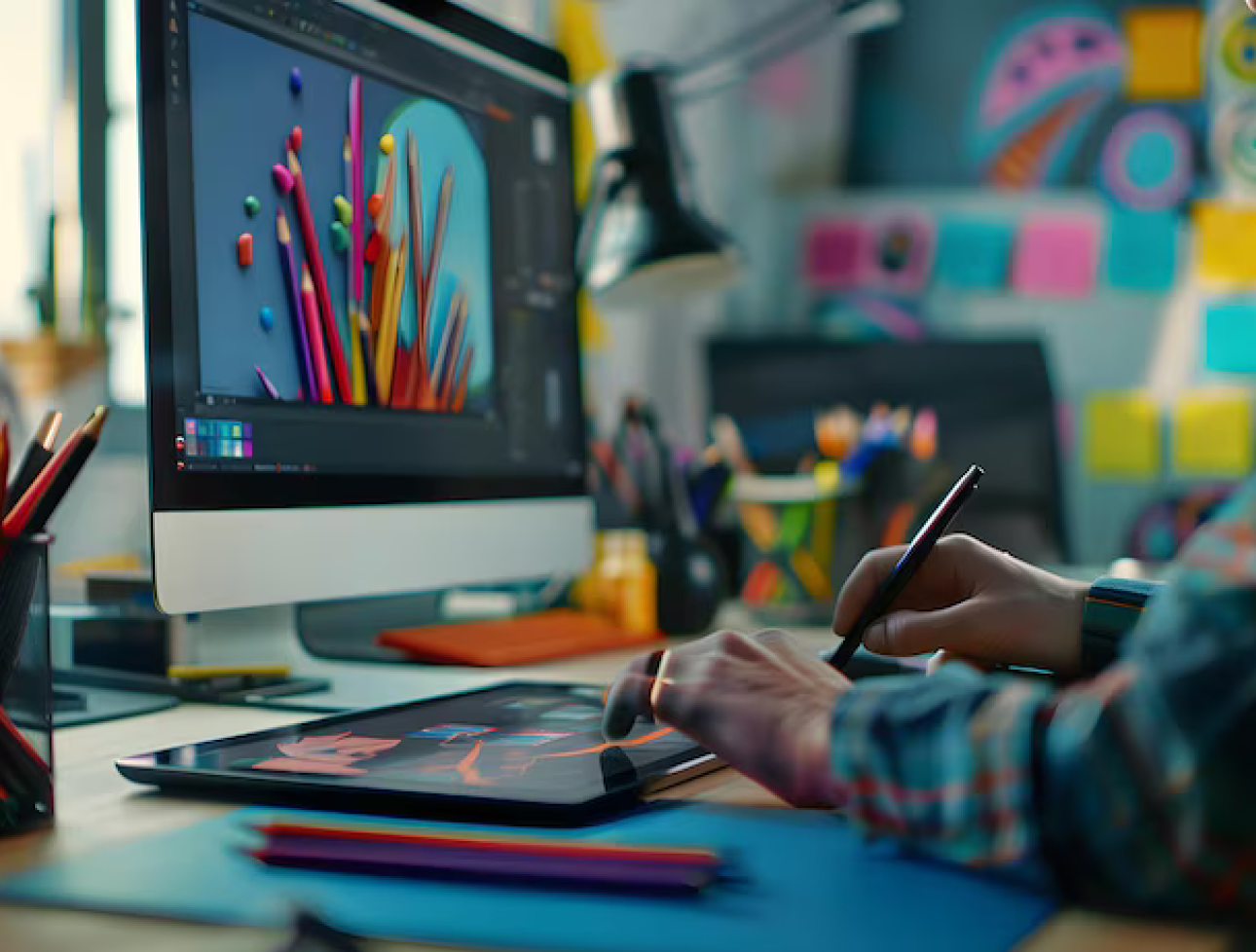
Graphic design is a powerful form of visual communication that combines art and technology to convey ideas, tell stories, and create lasting impressions. From branding and advertising to web design and social media, graphic design plays a pivotal role in shaping the way we interact with the world around us. As technology continues to evolve, the field of graphic design has undergone significant changes, adapting to new tools, mediums, and trends. This article explores the evolution of graphic design, its impact on modern communication, and the skills required to succeed in this dynamic field.
Graphic design has its roots in ancient history, where early civilizations used symbols and illustrations to communicate ideas and record events. However, the modern concept of graphic design began to take shape in the late 19th and early 20th centuries with the advent of mass media, advertising, and industrialization. The invention of the printing press, coupled with the rise of consumer culture, led to an increased demand for visually appealing content, giving birth to the field of graphic design as we know it today.
The Bauhaus Movement: In the 1920s, the Bauhaus school in Germany revolutionized design by emphasizing the importance of function over form and integrating art with industrial production. This movement laid the foundation for modernist graphic design, characterized by minimalism, geometric shapes, and clean lines.
The Digital Revolution: The 1980s and 1990s saw the emergence of digital design tools like Adobe Photoshop and Illustrator, transforming the way graphic designers worked. The shift from manual to digital design allowed for greater creativity, precision, and efficiency, opening up new possibilities for designers.
The Rise of the Internet: The proliferation of the internet in the late 1990s and early 2000s introduced new challenges and opportunities for graphic designers. Web design, user interface (UI) design, and social media graphics became critical areas of focus, requiring designers to adapt their skills to digital platforms.
In today’s fast-paced digital world, graphic design is more important than ever. It serves as a bridge between brands and their audiences, helping to convey messages in a visually compelling and memorable way. Whether through logos, advertisements, packaging, or websites, graphic design shapes how people perceive and interact with brands.
Brand Identity: Graphic design is essential in creating and maintaining a brand’s identity. A well-designed logo, color palette, and typography can distinguish a brand from its competitors and foster recognition and loyalty among consumers.
Marketing and Advertising: In a crowded marketplace, visually striking designs can capture attention and communicate a brand’s message quickly and effectively. From print ads to digital banners, graphic design is crucial in driving engagement and conversions.
Information Design: Graphic designers play a key role in organizing and presenting information in a clear and accessible manner. Infographics, data visualization, and instructional graphics are just a few examples of how design can enhance understanding and retention of information.
Technology has dramatically transformed the field of graphic design, offering new tools, techniques, and platforms for creative expression. The advent of digital design software, such as Adobe Creative Suite, has made it easier for designers to experiment with different styles and mediums, while the rise of social media and content management systems has expanded the reach and impact of design work
Artificial Intelligence (AI): AI is increasingly being integrated into graphic design tools, automating repetitive tasks and assisting with tasks like color matching, layout suggestions, and image editing. AI-driven tools like Adobe Sensei and Canva are empowering designers to work more efficiently and creatively.
Motion Graphics: With the growing popularity of video content on platforms like YouTube and TikTok, motion graphics have become a crucial aspect of graphic design. Designers now create dynamic animations and video content that engage audiences in new and exciting ways.
Augmented Reality (AR) and Virtual Reality (VR): AR and VR technologies are opening up new frontiers for graphic designers, allowing them to create immersive experiences that blend the physical and digital worlds. From interactive packaging to virtual product demonstrations, AR and VR are pushing the boundaries of what’s possible in design.
To succeed in today’s competitive landscape, graphic designers must possess a diverse skill set that combines creativity with technical expertise. While a strong foundation in traditional design principles remains important, modern designers must also stay current with technological advancements and industry trends.
Creativity and Innovation: The ability to think outside the box and come up with original ideas is crucial in graphic design. Designers must continuously push the boundaries of what’s possible, experimenting with new styles, mediums, and techniques.
Technical Proficiency: Proficiency in design software like Adobe Photoshop, Illustrator, and InDesign is essential. Additionally, knowledge of web design tools like Sketch, Figma, and WordPress is increasingly valuable.
Communication and Collaboration: Graphic designers often work closely with clients, marketers, and developers, making strong communication and collaboration skills essential. The ability to understand client needs and translate them into effective designs is key to success.
Adaptability: The design industry is constantly evolving, and designers must be adaptable and open to learning new skills. Whether it’s mastering a new software tool or keeping up with the latest design trends, continuous learning is a must.
Graphic design is a dynamic and ever-evolving field that plays a crucial role in shaping the way we communicate and interact with the world. From its early roots in print media to its current dominance in digital platforms, graphic design has adapted to new technologies and trends while maintaining its core principles of creativity and communication. As technology continues to advance, the role of graphic designers will become even more critical in creating visually compelling, effective, and meaningful content. For those with a passion for art and technology, graphic design offers endless opportunities for creative expression and professional growth.
This article provides an overview of the history, significance, and evolving nature of graphic design, highlighting its impact on modern communication and the skills required to excel in this field.